
Your Mitochondria May Be the Missing Piece: An Introduction to Methylene Blue

You're optimizing hormones, sleep, and nutrition — but something still feels off. The answer may be at the cellular level. A Texas physician explains what methylene blue actually does, who it's for, and why a 150-year-old compound is generating serious clinical interest again.

When You’re Doing Everything Right and Still Feel Wrong

You’re exercising consistently, sleeping reasonably well, eating a clean diet, and managing your hormones with the help of a knowledgeable provider. By most measures, you’re doing what you’re supposed to do. But there’s still something off — a persistent drag on your energy, brain fog that won’t fully clear, or a ceiling on your performance that no amount of lifestyle optimization seems to lift.

In many of these cases, the answer isn’t more optimization at the lifestyle level. It’s happening deeper — inside your cells, at the level of the mitochondria responsible for producing the energy that powers everything else. And there’s a compound with a 150-year track record in medicine that is increasingly being used to address exactly that problem.

It’s called methylene blue. It turns your urine blue. And it’s worth understanding.

What Is Methylene Blue, and Why Does It Have Such a Long History?

Methylene blue is a synthetic compound first developed in 1876 as an industrial dye — the same chemistry behind blue denim. Within a decade it was being used medically: first as a biological stain, then as the first synthetic antimalarial, then for urinary tract infections and psychiatric conditions. It has been formally registered with the FDA for over a century and is on the World Health Organization’s list of essential medications. Its two current FDA-approved indications are treatment of methemoglobinemia and use as a surgical visualization dye. Everything discussed in this post beyond those uses is off-label — applied based on emerging research, and best guided by a physician familiar with the literature. There are nearly 30,000 published studies on PubMed. It is not fringe. It is, however, underused in clinical practice — which is why most patients have never heard of it.

The Mechanism: What Methylene Blue Actually Does in the Body

Mitochondria generate ATP — the currency your body uses for virtually every biological process — through a series of protein complexes called the electron transport chain (ETC). When that chain is impaired, the downstream effects are broad: fatigue, cognitive fog, slow recovery, impaired cellular repair.

Methylene blue is a redox-active compound that can both accept and donate electrons. In dysfunctional mitochondria, it acts as an alternative electron carrier — stepping in to shuttle electrons past the problem areas and restore ATP production. Think of it as a detour around a blocked highway.

It also scavenges excess reactive oxygen species (ROS), the unstable molecules generated by dysfunctional mitochondria that damage cellular structures. That action is targeted directly at the mitochondria — meaningfully different from a general antioxidant supplement. And at a longer-term level, methylene blue has been shown to upregulate pathways involved in creating new mitochondria, activating PGC-1α and potentially sirtuins, the same longevity-associated proteins linked to exercise and caloric restriction.

The core of methylene blue’s value isn’t one specific condition. It’s the mitochondria — and mitochondrial health is foundational to energy, cognition, hormonal function, and recovery.

Where the Clinical Interest Is Concentrated

Given its mechanism, it’s not surprising that methylene blue is being studied and used across a range of conditions that share mitochondrial dysfunction as an underlying feature. A few areas where the evidence is most developed:

Brain Health and Cognitive Function

The brain is one of the most mitochondria-dense organs in the body, and it is acutely sensitive to disruptions in ATP production. Methylene blue crosses the blood-brain barrier readily, concentrating in neuronal mitochondria. Research has demonstrated increases in brain-derived neurotrophic factor (BDNF), improvements in memory consolidation — particularly fear extinction memory — and anti-apoptotic effects that protect neurons from stress-related damage. In psychiatry, it has a century-long history of use in mood disorders and has shown particular promise in bipolar disorder, including antidepressant and anxiolytic effects without triggering manic episodes.

Fatigue and Post-Viral Syndromes

Chronic fatigue — including the subset of patients dealing with long COVID sequelae — involves measurable mitochondrial impairment and a shift toward inefficient cellular energy metabolism. Methylene blue has been studied for its ability to counteract this metabolic shift, modulate the inflammatory signaling that drives persistent symptoms, and support recovery of normal energy production. Dosing in this context is typically low and titrated gradually.

Dysautonomia and POTS

In conditions characterized by dysregulated vascular tone — including POTS and certain presentations of dysautonomia — methylene blue’s ability to modulate nitric oxide signaling and restore vascular tone has drawn clinical interest. By inhibiting excess nitric oxide production, it can help blood vessels constrict appropriately, improving circulation and reducing orthostatic symptoms.

A Patient’s Experience

A patient in their mid-forties with Hashimoto’s thyroiditis, chronic fatigue, recurrent headaches, and exercise intolerance had thyroid labs being managed but continued to feel limited. After G6PD screening came back normal, methylene blue was added at 50mg daily.

At six months, fatigue and headaches had improved meaningfully and the patient was exercising regularly — something they had not been able to tolerate before. Thyroid antibodies, which had been elevated, normalized. By one year, the patient weaned off methylene blue; the improvements held. This kind of response isn’t guaranteed, but it reflects the pattern that draws providers toward methylene blue in complex, multi-system cases where standard approaches have plateaued.

Who Is a Reasonable Candidate — and Who Should Avoid It

Methylene blue is appropriate for some patients and contraindicated for others. A thoughtful workup before prescribing includes reviewing current medications and screening for specific conditions.

Absolute contraindications include pregnancy (methylene blue is teratogenic), breastfeeding, and G6PD deficiency. G6PD is a genetic enzyme deficiency that impairs the red blood cell’s ability to handle oxidative stress; in affected individuals, methylene blue can trigger hemolytic anemia. G6PD deficiency is more prevalent in people of African, Mediterranean, and South Asian descent, and enzyme levels should be checked before initiating therapy in any patient.

Methylene blue is a monoamine oxidase inhibitor (MAOI), which means it interacts with serotonergic medications — SSRIs, SNRIs, tricyclic antidepressants, and other MAOIs. The risk of serotonin syndrome in the literature is almost entirely associated with high-dose IV administration in surgical settings, not oral use at the doses used in functional medicine. That said, any patient on serotonergic medications warrants a careful, individualized discussion before starting.

Patients who are typically good candidates: those with unexplained fatigue that persists despite optimized hormones and lifestyle, cognitive complaints including brain fog or memory concerns, post-viral syndromes, dysautonomia, or complex multi-system presentations with a suspected mitochondrial component.

Dosing, Purity, and What to Expect

Dosing follows a low-and-slow approach. A typical starting point is 8–16 mg per day, titrated upward based on response — most protocols in this setting land between 15 and 50 mg daily. Purity matters significantly: industrial and chemical grades of methylene blue can contain heavy metals. We prescribe USP pharmaceutical-grade only, sourced through compounding pharmacies with third-party batch testing.

Our formulation pairs methylene blue with ascorbic acid, which improves absorption and moderates the blue urine discoloration — a predictable, harmless side effect worth mentioning upfront. Other dose-dependent side effects include mild nausea or GI discomfort, which typically resolve with dose adjustment. Monitoring begins with a baseline G6PD level and medication review, with follow-up labs tailored to the individual.

Is Methylene Blue Worth Exploring for You?

If you’ve done the foundational work — hormones, sleep, nutrition, exercise — and there’s still a ceiling you can’t break through, the answer may be at the cellular level. Methylene blue is one of the more interesting tools in functional medicine precisely because it addresses a root mechanism rather than a symptom. But like any prescription compound, it deserves a proper evaluation and individualized dosing, not a one-size approach.

At Precision Hormone Consulting, we take the time to understand the full picture before adding anything to a patient’s protocol. If you’re curious about whether methylene blue might be appropriate for you, we’re happy to have that conversation. Free consultations are available virtually — you can book online — or by calling the clinic to schedule in person. No commitment, just a conversation.

[DISCLAIMER]

This content is for educational purposes only and does not constitute medical advice. The use of methylene blue for indications beyond FDA-approved applications is off-label and should only be undertaken under the supervision of a licensed physician who can evaluate your individual health history, current medications, and appropriateness for therapy. Do not start, stop, or change any medication or supplement based on information in this post.

Read More
Darrell Wilcox Darrell Wilcox

What Is Bioidentical Hormone Replacement Therapy — and Is It Right for You?

The term "bioidentical" gets used loosely — but the distinction from synthetic hormones is real and clinically significant. Here's what BHRT actually is, which hormones are involved, and how to think about whether it belongs in your care.

The term “bioidentical” gets used loosely, and that creates genuine confusion about whether bioidentical hormone replacement therapy (BHRT) is meaningfully different from conventional hormone therapy or just well-packaged marketing. It’s a fair question. BHRT is a legitimate clinical approach with a defined pharmacological basis and a growing body of supporting evidence — but it requires proper evaluation, individualized dosing, and ongoing monitoring to do responsibly. Here’s what it actually is, how the key hormones are used, and how to think about whether it belongs in your care.

What “Bioidentical” Actually Means — and Why It Matters

Bioidentical hormones are molecularly identical to those the human body produces. Bioidentical estradiol has the same chemical structure as the estradiol your ovaries make; bioidentical testosterone matches what your testes or adrenal glands produce. Conventional hormone therapies often use synthetic compounds that are structurally similar but not identical — medroxyprogesterone acetate and conjugated equine estrogens being the most familiar examples. These compounds bind hormone receptors, but in ways the body wasn’t designed for. That mismatch is what drives the risks and side effects associated with synthetic hormones: increased clotting risk, adverse cardiovascular effects, and elevated breast cancer risk.

The distinction is most clinically significant for progesterone. Synthetic progestins increase the risk of blood clots and breast cancer. Bioidentical progesterone does neither — evidence suggests it actively reduces breast cancer risk. Conflating the two has caused unnecessary confusion and led many women to avoid hormone therapy that could genuinely help them. Bioidentical hormones interact with receptors the way the body expects. That difference in mechanism is the difference in risk profile.

Synthetic hormones carry risks because they bind receptors in ways the body wasn’t designed for. Bioidentical hormones don’t carry those same risks — because the body is designed to receive them.

The Hormones — What They Do and How They’re Used

BHRT is a personalized protocol built around individual lab findings and symptoms, not a single prescription. The hormones most commonly addressed are the following.

Testosterone — Men

Testosterone peaks in the mid-twenties and declines roughly 1 to 2% per year after thirty. By the time most men seek evaluation, they’ve been living with the downstream effects for years: fatigue, reduced drive, difficulty maintaining muscle, increased abdominal fat, disrupted sleep, and diminished libido. Treatment is delivered as a topical cream or injection. Cream produces more stable day-to-day levels and generates higher DHT — the more potent androgen driving libido, muscle, and energy — but requires consistent daily application. Injections eliminate absorption variability and suit patients who prefer a less frequent routine, though levels fluctuate more between doses. The right choice depends on the patient’s lifestyle and clinical profile.

Testosterone — Women

Testosterone is produced by the ovaries and adrenal glands in women and plays a central role in energy, libido, cognitive function, muscle tone, and mood. Levels begin declining in a woman’s thirties — well before menopause — and falling testosterone and progesterone are often the earliest hormonal markers of perimenopause, appearing years before estradiol shifts significantly. Delivery is cream or injection, with the same tradeoffs as in men. Topical cream has the added benefit of addressing local vaginal symptoms — dryness, discomfort, reduced sensitivity — alongside systemic effects, making it particularly effective for women managing both dimensions of decline.

Estradiol

Estradiol decline drives the hot flashes and night sweats most people associate with menopause — though perimenopausal hot flashes are more often triggered by loss of inhibin, a hormone that begins declining years before estradiol does. Beyond vasomotor symptoms, estradiol affects bone density, cardiovascular protection, cognitive function, and sleep. Oral estradiol is generally preferred for its favorable impact on lipids and cardiovascular health. For women with elevated clotting risk, transdermal cream is the appropriate alternative. Patches are available on patient request but are not a primary recommendation due to less consistent absorption and the absence of the cardiovascular benefits seen with oral dosing.

Progesterone

Progesterone is often framed as relevant only for women with a uterus. That misses most of its clinical importance. It begins declining in the early-to-mid thirties and its effects extend well beyond uterine protection: sleep quality, anxiety, mood stability, bone strength, cardiovascular health, and protection against breast, uterine, and ovarian cancers — benefits that apply regardless of surgical history. Oral micronized progesterone is preferred; its mild sedative quality taken at night is frequently therapeutic. For patients sensitive to that effect, a rapid-dissolving sublingual tablet achieves equivalent blood levels with less sedation.

Thyroid

Standard levothyroxine provides T4 only, but T4 must convert to the active T3 form in peripheral tissues — a process that can be impaired even when TSH is normal. Desiccated thyroid extract (DTE), which contains both T4 and T3 in a physiologically relevant ratio, is the primary approach used here. Compounded T3/T4 combination therapy serves as an alternative when DTE isn’t the right fit. Both require careful titration and ongoing monitoring of Free T3 and Free T4.

No two patients look exactly alike. The protocol that works is the one built around your specific labs, symptoms, and history — not a standardized template.

Off-Label Use, Compounding, and Monitoring

Most bioidentical hormones used in BHRT are compounded by a licensed pharmacy, allowing for individualized dosing and delivery forms unavailable in standard commercial products. Compounded preparations are not FDA-approved as finished drug products, but the active ingredients are FDA-regulated and compounding pharmacies operate under state pharmacy board oversight. BHRT is off-label not because the hormones are unproven, but because the FDA approval pathway is designed for standardized products, not individualized therapy.

What this requires clinically is structured monitoring. Every protocol begins with a comprehensive baseline evaluation. Symptom check-ins follow every one to two months; labs run approximately every three months initially, then less frequently once stable. Contraindications — including hormone-sensitive cancers, certain clotting disorders, and uncontrolled cardiovascular disease — are evaluated individually before any therapy begins.

What This Looks Like in Practice

A 52-year-old postmenopausal patient came in after two years of managing hot flashes with over-the-counter supplements. She wasn’t sleeping, her energy and mental clarity had declined significantly, and she’d attributed it to aging. Her physician had offered a standard estrogen patch but hadn’t measured testosterone or progesterone.

Baseline labs showed low estradiol, undetectable testosterone, progesterone below any meaningful range, and a Free T3 at the low end of the reference interval despite a normal TSH. We built a protocol around oral estradiol, oral micronized progesterone, low-dose testosterone cream, and desiccated thyroid extract. Sleep improved substantially by month three. By month six to seven, her energy, cognitive clarity, and overall wellbeing were meaningfully restored — the result of a complete evaluation and a protocol built around her specific picture, not a template.

Is BHRT Right for You?

BHRT is worth exploring if you’re experiencing fatigue, cognitive fog, disrupted sleep, mood changes, loss of muscle tone, reduced libido, or poor recovery — and either haven’t had a comprehensive hormone evaluation or have been told your labs are normal without a deeper conversation. It’s also worth exploring if you’ve been on conventional hormone therapy and still don’t feel right. Synthetic and bioidentical hormones are not the same thing, and the distinction has real clinical implications. The starting point is always a thorough evaluation, not an assumption that treatment is indicated before the full picture is clear.

Start with a Conversation

If any of this resonates, a free consultation is a reasonable next step — not a commitment to anything, just an opportunity to talk through what you’re experiencing and whether a comprehensive evaluation makes sense. Virtual consultations are available through the Precision Hormone Consulting website. To schedule in person, call the clinic directly.

Medical Disclaimer: The content in this post is intended for general educational purposes only and does not constitute medical advice. It is not a substitute for professional medical evaluation, diagnosis, or treatment. Bioidentical hormone replacement therapy involves compounded and off-label medications that require individualized assessment, physician oversight, and ongoing monitoring. Hormone therapy is not appropriate for everyone. Contraindications exist and must be evaluated on an individual basis by a qualified healthcare provider. Always consult a physician regarding your specific symptoms, history, and treatment options before initiating any hormone therapy.

Read More
Darrell Wilcox Darrell Wilcox

Why Your Labs Look Normal But You Feel Terrible

Your doctor says your labs are fine. So why do you still feel exhausted, foggy, and off? The problem isn't your results — it's what "normal" actually means, and what most standard panels never measure.

You asked your doctor to check your labs. Everything came back normal. Your TSH is fine. Your testosterone is in range. Your thyroid is “unremarkable.” And yet you’re exhausted by two in the afternoon, your motivation has flatlined, your sleep feels unrefreshing, and you can’t recover from workouts the way you used to. You’re doing the right things — exercising, watching what you eat, managing stress — and still feel like something is fundamentally off.

You’re not imagining it. The problem isn’t that your labs are normal. The problem is what “normal” actually means — and what your doctor’s standard panel may not be measuring at all.

“Normal” Is Not the Same as Optimal

This distinction sits at the core of the clinical framework I was trained in. Through Worldlink Medical — founded by Neal Rouzier, MD, one of the leading physicians in evidence-based hormone optimization — I trained directly in the protocols and diagnostic approach that underpin everything we do at Precision Hormone Consulting. The central premise is straightforward: reference ranges are not wellness targets.

Most reference ranges are built from a statistical cross-section of the population — one that includes a large number of people who are sedentary, metabolically compromised, and aging without any active health management. When a lab says your testosterone is “in range,” that range was calculated to include people who feel exactly the way you feel right now. It tells you whether you have a disease-level abnormality. It doesn’t tell you whether your levels support how you want to feel and function.

In functional medicine, we look at where your values fall within the range, not just whether they cleared the threshold. And we account for the fact that the same lab value can mean different things in different people. Lifetime exposure to environmental toxins and endocrine-disrupting chemicals can reduce hormone receptor sensitivity — meaning the hormone is present, but the cells aren’t responding to it effectively. One person may feel well at a given level; another may need a higher level to achieve the same result. Treatment has to be calibrated to the person, not just the number.

A number doesn’t have to be flagged to be the reason you feel the way you do. Optimal and normal are not synonyms.

The Tests That Matter — and the Ones Most Panels Skip

The standard panel most physicians order captures only a fraction of what’s relevant to how you feel. Here’s what a comprehensive evaluation actually looks at.

Testosterone — Total, Free, and SHBG

Total testosterone is the number most doctors report, but roughly 60% of it is bound to sex hormone-binding globulin (SHBG) and biologically inactive. Only the free fraction — typically 2 to 3% of the total — is available to act on tissues. Someone with a total testosterone of 550 ng/dL and high SHBG may have less usable hormone in circulation than someone with a total of 380 and normal SHBG. Without measuring free testosterone and SHBG together, you’re working from an incomplete picture.

Thyroid — TSH, Free T3, and Free T4

TSH is a pituitary signal, not a direct measure of thyroid output. Free T4 is what the thyroid secretes; Free T3 is the biologically active form tissues actually use. Conversion from T4 to T3 can be impaired by chronic stress, inflammation, and nutritional gaps — even when TSH and T4 are perfectly normal. A patient with poor T4-to-T3 conversion can have a textbook TSH and feel every symptom of hypothyroidism. You can’t see that without measuring Free T3 directly.

Cortisol and DHEA-S

Cortisol should peak in the early morning to drive waking energy and decline across the day. Disruptions to this rhythm often go undetected on a standard panel. AM cortisol measured alongside DHEA-S — an adrenal androgen that declines under chronic stress — gives a functional picture of adrenal output. Low-normal AM cortisol with suppressed DHEA-S correlates closely with the pattern many patients describe: dragging in the morning, wired at night, poor stress tolerance, and energy that never fully charges.

Estradiol, Progesterone, FSH, and LH

In women approaching or past menopause, declining estradiol contributes to sleep disruption, cognitive fog, joint discomfort, and mood changes that often get attributed to stress or aging. In men, estradiol is frequently overlooked despite its role in bone density, cardiovascular health, libido, and mood — both high and low levels cause symptoms that are easy to miss without measuring. FSH and LH clarify whether a hormonal deficiency is originating in the brain’s signaling or in the gonads themselves, which shapes the treatment approach.

IGF-1 and Metabolic Markers

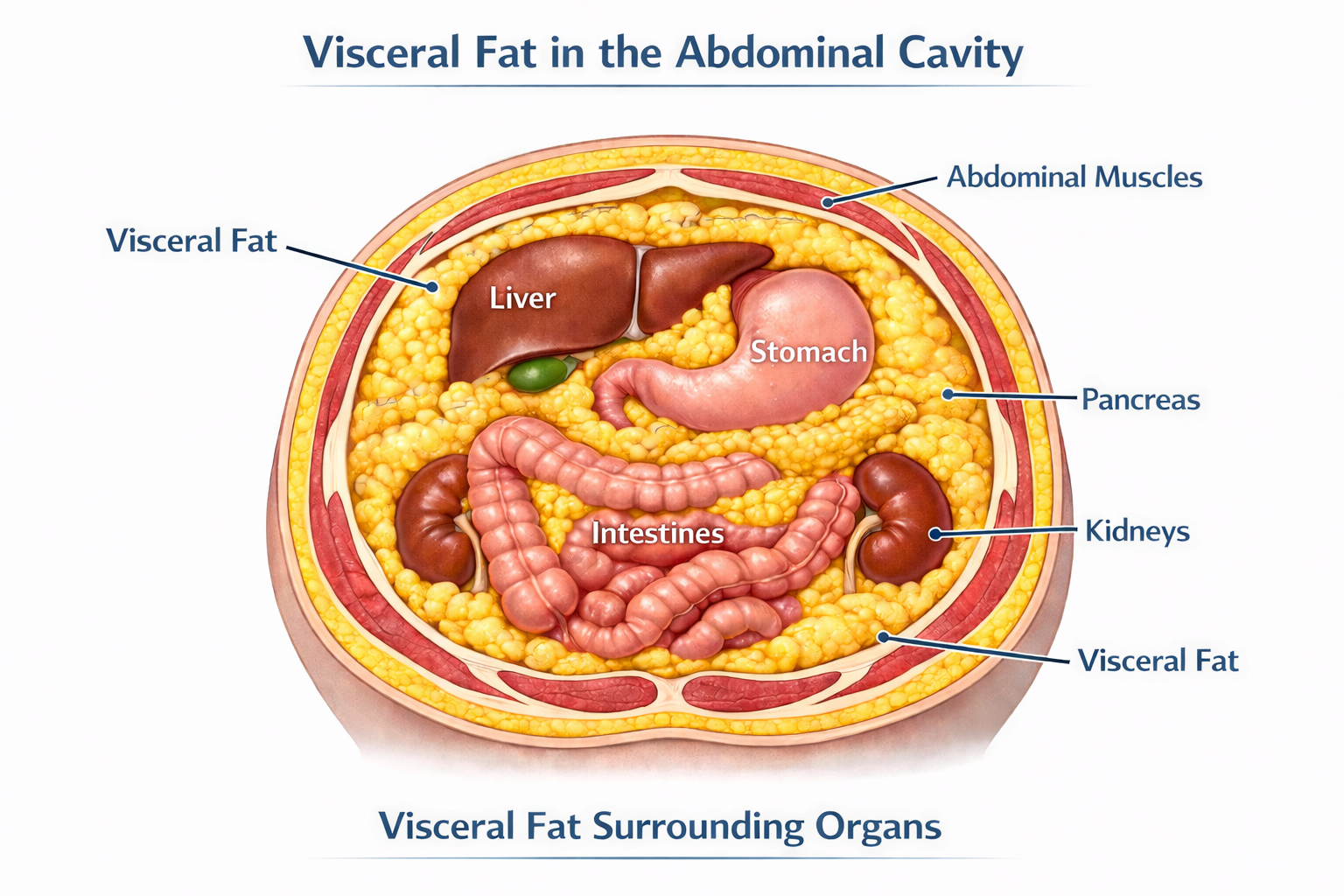
IGF-1 reflects growth hormone activity and declines with age and poor sleep. Low levels correlate with impaired recovery, poor body composition, and reduced metabolic function — yet it rarely appears on standard panels. Alongside IGF-1, I look for early patterns of insulin resistance and visceral fat accumulation. Visceral fat is hormonally active tissue that drives systemic inflammation and oxidative stress, both of which impair mitochondrial function and create a state of cellular energy deficiency. This cascade underlies a significant portion of the fatigue, brain fog, and poor recovery that bring patients in — and it’s identifiable before it progresses to frank metabolic disease.

A standard panel is designed to rule out disease. A comprehensive evaluation is designed to explain symptoms — and those are fundamentally different goals.

What This Looks Like in Practice

A patient came to me in their mid-forties — active, eating well, getting adequate sleep by any conventional measure. Their primary care physician had run a metabolic panel, CBC, and TSH. Everything was normal.

What the panel hadn’t captured: free testosterone in the low-normal range, a Free T3 at the bottom of the reference interval, DHEA-S well below age expectation, and an AM cortisol suggesting the adrenal axis wasn’t delivering its morning output. No single number was flagged. Taken together, the picture was clear — and entirely consistent with how they described their days. Early changes in energy and sleep emerged within the first couple of months. Full symptom resolution took closer to eight months, which is typical.

Who Should Consider a Comprehensive Evaluation

This kind of evaluation makes sense if your standard labs came back clean but you’re still dealing with persistent fatigue, cognitive fog, disrupted sleep, low motivation, changes in body composition, or reduced exercise tolerance. It also makes sense if you’re in your late thirties or older and have noticed a meaningful decline in how you feel and recover over the past few years — even while doing everything right. If you’ve been told your levels are normal and the conversation stopped there, that’s worth revisiting.

What to Expect

We start with a comprehensive baseline panel, then monitor symptoms with check-ins every one to two months — how you’re sleeping, how your energy is tracking, how you’re recovering. Lab work runs approximately every three months in the early phase while levels are actively changing, then less frequently once you’re stable on a consistent protocol.

Meaningful symptom relief typically takes six to nine months. Hormone levels didn’t decline overnight, and correcting them too aggressively creates its own problems. Most patients notice early improvements in sleep and energy within four to eight weeks; body composition and overall resilience follow over the subsequent months. For some, addressing receptor sensitivity — through reducing toxic burden or tools like infrared sauna — is as important as the hormone level itself.

Start with a Conversation

If you’ve been told your labs are normal and you still don’t feel right, that’s worth exploring. A free consultation is a good first step — not a commitment to anything, just an opportunity to talk through what you’re experiencing and whether a comprehensive evaluation makes sense for you.

You can book a virtual consultation directly through the Precision Hormone Consulting website, or call the clinic to schedule in person. Dr. Wilcox is also listed as a featured physician on the Worldlink Medical provider directory — an independent resource for patients looking to verify credentials in evidence-based hormone optimization.

Further Reading

The clinical philosophy behind this practice is grounded in the work of Neal Rouzier, MD. His book Normal Isn’t Optimal is the foundational text for the Worldlink Medical training program and a useful primer for anyone who wants to understand the evidence base before their first consultation.

Medical Disclaimer: The content in this post is intended for general educational purposes only and does not constitute medical advice. It is not a substitute for professional medical evaluation, diagnosis, or treatment. Lab reference ranges and clinical interpretations vary depending on the individual, the laboratory, and the clinical context. Always consult a qualified healthcare provider regarding your specific symptoms, laboratory results, and treatment options. Hormone therapies discussed in this content may involve off-label use and require physician oversight, individualized assessment, and ongoing monitoring.

Read More
Darrell Wilcox Darrell Wilcox

Sermorelin vs. Ipamorelin/CJC-1295 vs. Tesamorelin: Which Growth Hormone Peptide Is Right for You?

A physician's guide to the real differences between sermorelin, ipamorelin/CJC-1295, and tesamorelin — three distinct GHRH peptides with different mechanisms, potency, and ideal use cases. Written by Darrell Wilcox, MD.

Growth hormone output declines significantly with age — production can fall by more than half between your 20s and 60s. For many people, that decline shows up as stubborn body fat that won't budge, slower recovery from exercise, poor sleep, and a general sense that the body isn't responding the way it used to.

Peptide therapy is one way to address that decline. But the three most commonly prescribed options — sermorelin, ipamorelin/CJC-1295, and tesamorelin — are not interchangeable versions of the same treatment. Choosing between them should be based on your goals, not whoever marketed their option most aggressively.

What These Peptides Have in Common

None of these are synthetic human growth hormone (HGH). They are growth hormone-releasing hormone analogs that work by signaling your pituitary gland to produce its own GH — naturally, in pulses, through your body's existing feedback loops.

This matters. Synthetic HGH bypasses those feedback mechanisms entirely, which is why it carries risks like insulin resistance and soft tissue overgrowth. These peptides work with your body's regulatory systems, not around them.

All three drive the same downstream process: your pituitary releases GH → your liver produces IGF-1 → IGF-1 drives the benefits you're after: fat metabolism, tissue repair, sleep quality, and body composition improvements. The differences lie in how strongly each peptide stimulates that process, and through what mechanism.

The Three Options

Sermorelin — The Foundation

Sermorelin is the gentlest of the three. It's a fragment of the natural GHRH molecule, has decades of clinical use behind it, and produces a modest, dose-dependent increase in GH output.

Sleep quality is typically the first benefit patients notice, often within two to four weeks. Recovery between training sessions improves. Over three to six months, most patients see gradual improvements in skin elasticity, hair quality, and body composition.

Dosing is simple: one subcutaneous injection daily, typically before bed to align with your body's natural nighttime GH release. Side effects are generally mild — occasional water retention, temporary wrist or hand numbness, minor injection site irritation.

Best for people new to peptide therapy, those with broad wellness goals across sleep, recovery, and gradual body recomposition, and anyone who wants a simple daily protocol with a mild side effect profile.

Ipamorelin/CJC-1295 — The Middle Ground

This is a combination protocol, and the pairing is intentional. CJC-1295 is a GHRH analog that stimulates GH release through the same receptor pathway as sermorelin. Ipamorelin works through a completely different pathway — the ghrelin receptor — and is notable for its selectivity: unlike older secretagogues, it does not significantly raise cortisol or prolactin at therapeutic doses.

Together, they stimulate GH release through two separate mechanisms simultaneously, producing a more robust response than either would alone — and meaningfully stronger than sermorelin. In clinical practice, both are administered as a single combined daily subcutaneous injection, keeping the protocol simple while delivering the synergistic benefit of dual-pathway stimulation.

Sleep and recovery improvements are similar to sermorelin but often more pronounced. Body recomposition is more noticeable. Side effects are moderate — water retention and post-injection flushing are more common than with sermorelin, but cortisol and prolactin remain stable.

Best for patients who want a stronger GH response, those stepping up from sermorelin, and anyone seeking meaningful body recomposition alongside the broader wellness benefits.

Tesamorelin — The High-Intensity Option

Tesamorelin is the full-length GHRH molecule with a structural modification that makes it resistant to the enzyme that normally breaks it down quickly in the body. This gives it a longer duration of action and the most potent GH response of the three.

It is the only peptide in this group with FDA approval — specifically for reducing visceral fat, the dangerous fat that surrounds your internal organs, in a specific patient population. The clinical trials supporting that approval showed IGF-1 increases of 50–100% above baseline and approximately 15% reduction in visceral fat over 26 weeks, confirmed by CT imaging, along with improvements in triglycerides and related metabolic markers.

Dosing is typically daily, though a five-days-on, two-days-off schedule is commonly used in clinical practice to manage water retention. Side effects are the most pronounced of the three — water retention, carpal tunnel-like symptoms from fluid retention, and a small but measurable effect on glucose tolerance in some patients. Monitoring of IGF-1, fasting glucose, and HbA1c is essential throughout treatment.

Best for patients whose primary goal is visceral fat loss, already-fit individuals targeting stubborn midsection fat, and those who want the most aggressive body recomposition results and are prepared for careful monitoring.

A Patient Story

A patient in their late 40s came in frustrated. Consistent training for years, eating well, sleeping reasonably — and still couldn't move the midsection fat or recover the way they used to. Bloodwork was otherwise unremarkable. IGF-1 was in the lower third of the reference range.

We started with ipamorelin/CJC-1295. Within the first month, sleep improved noticeably. By month three, recovery between sessions had shortened and body composition had begun to shift. At six months, they were down several inches at the waist and training harder than they had in a decade.

No shortcuts. The peptide created a more favorable hormonal environment. Consistent training and nutrition did the rest.

How to Choose

Sermorelin is the right starting point if your goals span sleep, recovery, skin, energy, and gradual body composition improvement — or if you're new to injectable peptide therapy and want a gentle introduction. Mildest side effects, simplest daily protocol.

Ipamorelin/CJC-1295 is the step up. Choose this if you want a stronger GH response, more noticeable body recomposition, or if sermorelin didn't deliver the results you were after. Daily combined injection, moderate side effects, dual-pathway stimulation.

Tesamorelin is the high-intensity option. Choose this if visceral fat reduction is your primary goal, you're already doing the lifestyle fundamentals consistently, and you want the most aggressive protocol backed by the strongest clinical evidence. Requires diligent monitoring.

Many patients begin with sermorelin or ipamorelin/CJC-1295 and advance based on their response. Your physician should guide that sequence based on your labs and goals.

What to Expect

Results build progressively. Most patients notice improved sleep and energy within the first two to four weeks. Recovery improvements follow in the first one to three months. Meaningful body composition changes take three to six months of consistent use — don't evaluate results before that three-month mark.

All three protocols require regular monitoring: IGF-1 every three to six months, along with fasting glucose, HbA1c, and thyroid function. These are prescription medications that require physician oversight, not self-directed supplementation.

Ready to Find Out Which Protocol Fits You?

If any of this resonates, the next step is a conversation — not a commitment. At Precision Hormone Consulting, we offer free consultations to review your labs, understand your goals, and determine whether peptide therapy is appropriate and which protocol makes sense for your situation.

You can book a virtual consultation online or call us directly to schedule in person. Either way, you'll leave with a clear picture of where you stand and what your options are.

This article is for educational purposes only and does not constitute medical advice. Growth hormone peptides are prescription medications. Consult a licensed physician before beginning any peptide therapy protocol.

Read More